
 Marco Williams
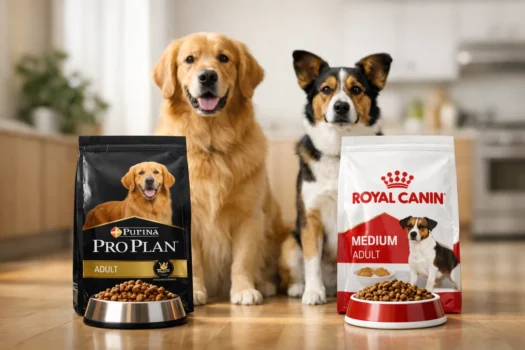
Choosing between Purina Pro Plan vs Royal Canin is one of the most common decisions dog owners face in the premium dog food category. Both brands are backed by decades of research, trusted by vets and breeders, and formulated to meet AAFCO nutritional standards — yet they take distinctly different approaches to canine nutrition.
This article compares protein levels, ingredient quality, sensitive stomach formulas, and cost across adult, puppy, and sensitive pairs to help you make a confident decision for your dog.
Who Should Choose Purina Pro Plan
- Higher protein, performance-focused diets
- Better for active and working dogs
- Strong ingredient transparency perception
- Balanced value for premium category
Who Should Choose Royal Canin
- Dogs with sensitive digestion or specific needs
- Owners following vet or breeder recommendations
- Preference for size/breed-specific formulas
- Consistent stool quality and digestibility focus
Choose Purina Pro Plan for performance and protein-driven nutrition, while Royal Canin fits better for precision feeding and digestive reliability.
What Is the Difference Between Purina Pro Plan and Royal Canin?
Purina Pro Plan is built around performance nutrition. It leans into higher protein content, real meat-first marketing, and energy-dense formulas designed for active and working dogs. Its pricing sits in the mid-premium tier, making it accessible without sacrificing quality.
Royal Canin takes a formulation-first approach. Instead of leading with ingredient perception, it focuses on precision nutrition — controlling fiber, digestibility, and caloric intake for specific sizes, breeds, and health conditions. It typically carries a higher price point and is frequently recommended by veterinarians and breeders for targeted feeding needs.
When asking “is Purina Pro Plan better than Royal Canin,” the honest answer is: it depends entirely on your dog’s lifestyle, health status, and nutritional priorities.
Key Differences Between Purina Pro Plan and Royal Canin
| Factor | Purina Pro Plan | Royal Canin |
|---|---|---|
| Protein Range | Moderate to high | Moderate |
| Calories | Moderate to high | Moderate |
| Ingredient Style | Real meat-first marketing | Functional formulation focus |
| Price Level | Mid-premium | Premium |
| Best For | Active, performance dogs | Sensitive, breed/size-specific dogs |
| Vet Recommendation | Commonly recommended | Frequently recommended |
| Formula Range | Life stage and activity | Size, breed, and condition-specific |
Protein, Fat and Calorie Comparison

- Protein: 26%
- Fat: 16%
- Fiber: 3%
- kcal per cup: ~380
- Top 5 Ingredients: Chicken, rice, whole grain wheat, corn gluten meal, poultry by-product meal
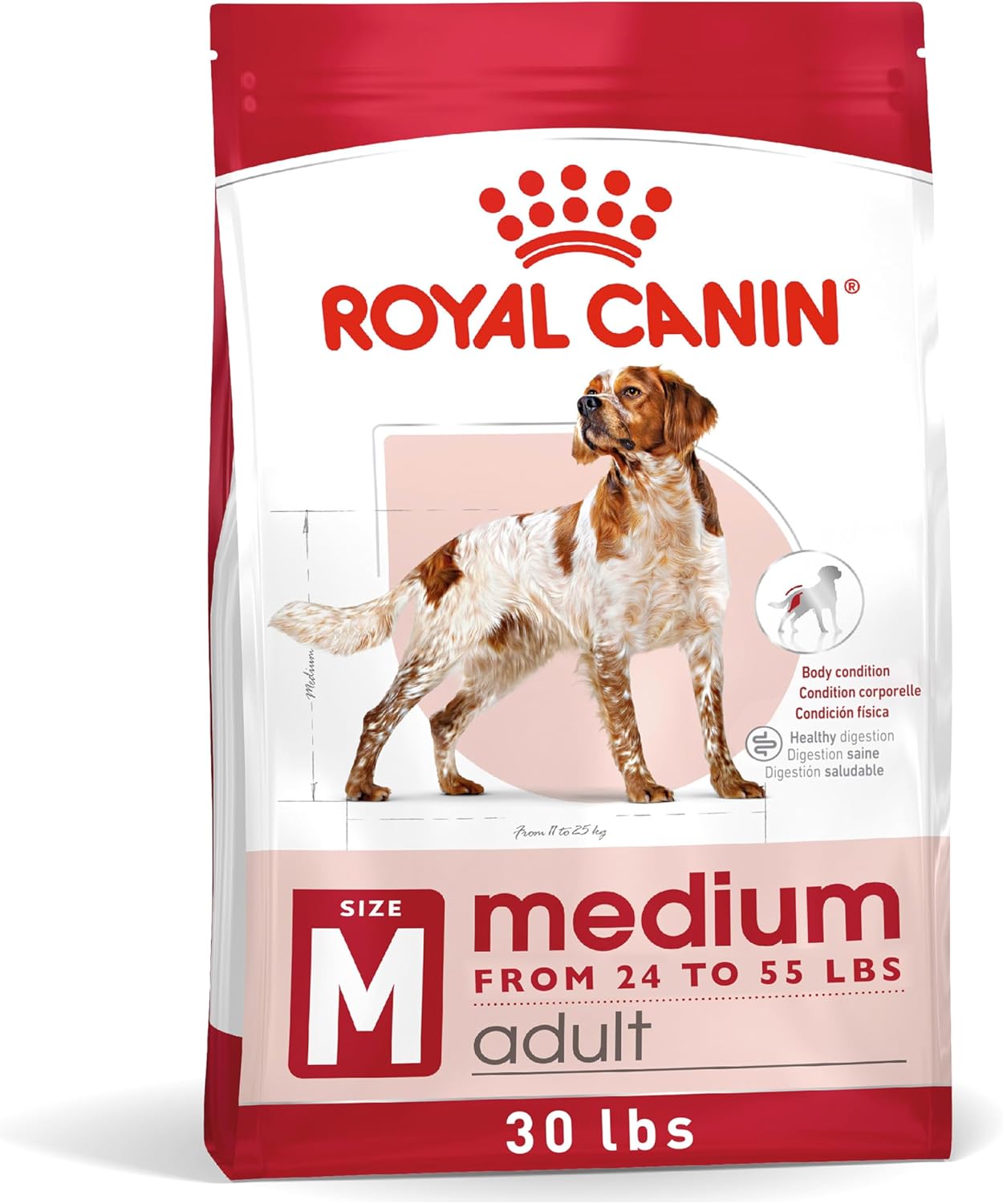
- Protein: 23%
- Fat: 14%
- Fiber: 3%
- kcal per cup: ~320
- Top 5 Ingredients: Brewers rice, chicken by-product meal, wheat, chicken fat, corn
Quick Insight: Purina Pro Plan delivers higher protein and energy density. Royal Canin offers controlled calorie intake with a focus on digestive consistency.
At the adult stage, Purina Pro Plan leads in both protein and calorie content. Royal Canin’s moderate approach suits dogs with average activity levels or those prone to weight gain.
Which Is Better for Sensitive Stomach?
The sensitive stomach category is where the Purina Pro Plan or Royal Canin debate gets most nuanced. Both brands offer dedicated formulas, but their philosophies differ significantly.
Product Comparison

- Protein: 26%
- Fat: 16%
- Fiber: 4%
- kcal per cup: ~467
- Top 5 Ingredients: Salmon, rice, barley, oat meal, fish meal
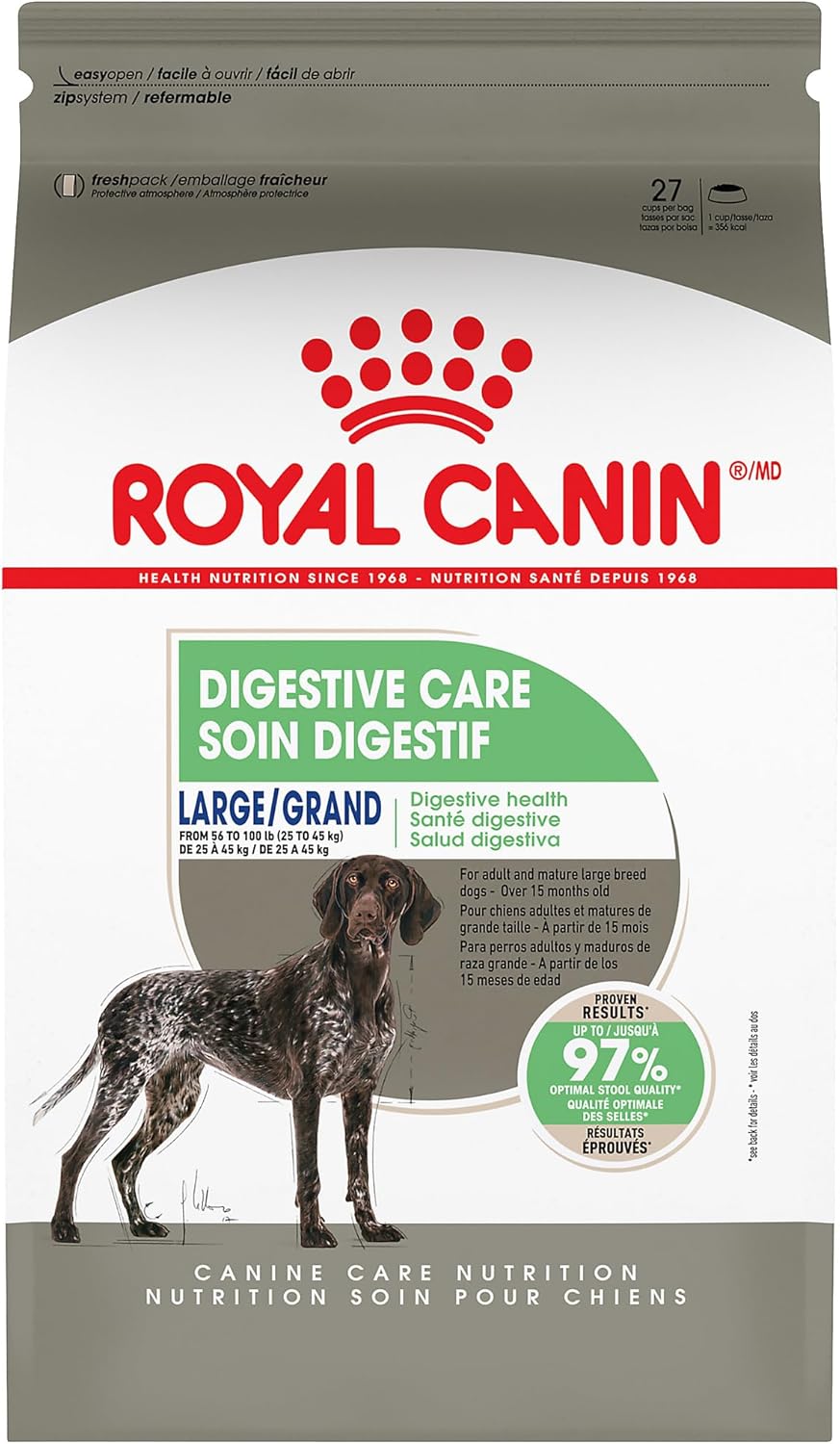
- Protein: 25%
- Fat: 15%
- Fiber: 3%
- kcal per cup: ~350
- Top 5 Ingredients: Brewers rice, chicken by-product meal, wheat, corn gluten meal, chicken fat
Quick Insight: Purina uses salmon as a single primary protein, benefiting dogs with poultry sensitivities. Royal Canin emphasizes digestive balance through controlled fiber and formulation.
Dogs with confirmed protein sensitivities may respond better to Purina’s salmon-based formula. Dogs with general digestive irregularity often do well on Royal Canin’s precision digestive approach.
Consulting your veterinarian before switching is always recommended for dogs with ongoing digestive issues.
Ingredient Differences Between Purina Pro Plan and Royal Canin
Understanding Purina Pro Plan vs Royal Canin ingredients requires looking beyond the first ingredient listed on the bag.
Purina Pro Plan Adult Shredded Blend Chicken & Rice: Chicken, rice, whole grain wheat, corn gluten meal, poultry by-product meal
Royal Canin Medium Adult: Brewers rice, chicken by-product meal, wheat, chicken fat, corn
Quick Insight: Purina leads with whole chicken. Royal Canin opens with brewers rice followed by chicken by-product meal — a highly digestible protein source focused on gut performance.
Puppy Ingredient Comparison

- Protein: 28%
- Fat: 17%
- Top 5 Ingredients: Chicken, rice, whole grain wheat, oat meal, poultry by-product meal

- Protein: 29%
- Fat: 17%
- Top 5 Ingredients: Brewers rice, chicken by-product meal, wheat, chicken fat, corn
Quick Insight: Both puppy formulas are closely matched in protein and fat. Royal Canin’s formula is calibrated for medium-breed growth with a controlled calcium-to-phosphorus ratio.
By-Products and Grain Usage
Neither brand avoids by-products entirely. Purina uses poultry by-product meal alongside whole meat. Royal Canin uses chicken by-product meal as a primary protein source.
By-product meals are concentrated protein sources and are not nutritionally inferior. They carry a perception disadvantage with ingredient-conscious consumers, but perform well in digestibility studies.
Both brands include grains such as rice and wheat. These serve as digestible carbohydrate and energy sources supported by AAFCO guidelines and veterinary nutrition research.
Puppy Calcium Balance
Royal Canin’s Medium Puppy formula is specifically calibrated for medium-breed growth rates. Its balanced calcium-to-phosphorus ratio supports healthy bone development without overloading growth plates.
Purina Pro Plan Puppy also meets AAFCO growth standards and delivers slightly lower protein at around 28% compared to Royal Canin’s approximately 29%.
Cost Comparison Per Day
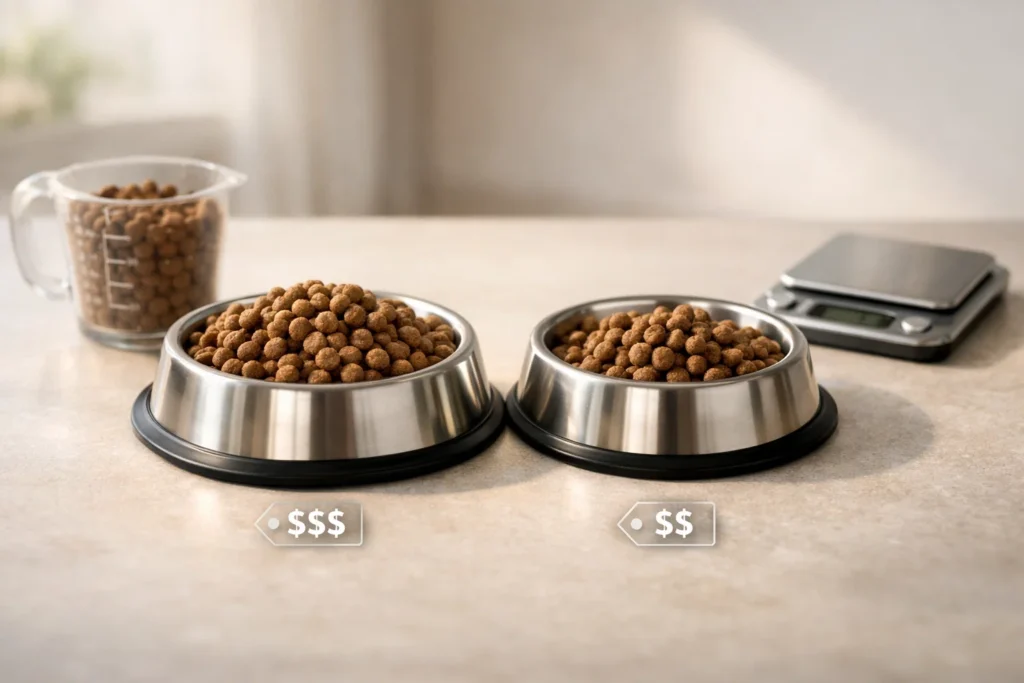
Pricing varies by retailer and bag size, but the general cost structure is consistent across the market.
Purina Pro Plan typically runs between about $2.20 and $2.60 per pound. Daily feeding cost for a medium-sized dog is typically around $1.40 to $1.80.
Royal Canin averages around $2.80 to $3.40 per pound. Daily costs for a medium dog run approximately $1.70 to $2.20.
Annual feeding costs for Purina Pro Plan generally fall around $510 to $660. Royal Canin’s annual estimate typically lands between $620 and $800.
For budget-conscious owners in the premium segment, Purina Pro Plan offers a cost difference of roughly $150 to $200 per year.
Which Is Better for Active Dogs?

For active, working, or high-energy dogs, Purina Pro Plan holds a measurable advantage in calorie and protein density.
The adult formula delivers about 380 kcal per cup compared to Royal Canin’s around 320 kcal per cup. That calorie gap means active dogs can meet their energy needs in a slightly smaller feeding volume.
Higher protein at around 26% also supports lean muscle maintenance and recovery after physical activity. Royal Canin’s moderate calorie approach is better suited to dogs with average activity levels or those prone to weight gain.
Who Should Avoid These Options?
Both brands are strong mainstream premium options, but they are not appropriate for every dog.
Dogs requiring prescription veterinary diets for kidney disease, liver conditions, or urinary issues should not be placed on standard commercial formulas without veterinary guidance.
Dogs with severe or confirmed food allergies may need a true limited ingredient diet or hydrolyzed protein formula. Ultra-sensitive dogs requiring hypoallergenic formulas should be evaluated by a vet before selecting any over-the-counter option. Neither brand replaces a veterinary therapeutic diet when one is medically indicated.
Is Purina Pro Plan better than Royal Canin?
Neither brand is objectively better — the right choice depends on your dog’s specific needs. Purina Pro Plan offers higher protein and calorie density, making it a stronger fit for active and performance-oriented dogs. Royal Canin excels in precision formulation, digestive support, and size-specific feeding. If your dog is healthy and active, Purina Pro Plan may align better with those demands. If your dog has digestive sensitivities or your vet recommends a targeted formula, Royal Canin is a well-supported and widely trusted option.
How do Purina Pro Plan and Royal Canin compare in protein?
Purina Pro Plan Adult delivers about 26% protein compared to Royal Canin Medium Adult at around 23%. At the puppy stage, the gap narrows — Purina Puppy offers approximately 28% while Royal Canin Medium Puppy comes in at about 29%. In the sensitive stomach category, both brands are closely matched at around 26% and 25% respectively. Purina generally leads in protein for adult maintenance, while puppy formulas are more evenly balanced between the two brands.
Which is better for sensitive stomach?
Purina Pro Plan Sensitive Skin & Stomach uses salmon as its primary protein, benefiting dogs with poultry sensitivities. Royal Canin Digestive Care focuses on a controlled fiber and digestibility-first formulation for general gut support. Dogs with identified protein sensitivities often respond better to Purina’s salmon-based approach. Dogs with general digestive inconsistency frequently do well on Royal Canin’s regulated formula. Consulting your veterinarian before switching is always recommended, especially for dogs with ongoing or recurring digestive issues.
What is the cost difference between Purina Pro Plan and Royal Canin?
Purina Pro Plan typically costs around $2.20 to $2.60 per pound, while Royal Canin averages about $2.80 to $3.40 per pound. For a medium-sized dog, this translates to an annual difference of roughly $150 to $200 in favor of Purina. Both are premium-tier products that represent a meaningful upgrade over budget brands. If value within the premium segment matters, Purina Pro Plan offers comparable or higher protein content at a lower annual feeding cost, making it a practical choice for cost-conscious owners.
Can I switch between these brands safely?
Yes, but any diet transition should be done gradually over about 7 to 10 days to minimize digestive upset. Start by mixing approximately 25% of the new food with 75% of the current food, then slowly increase the new food’s proportion every few days. This approach is especially important for dogs with sensitive stomachs. If your dog shows signs of distress such as loose stools or reduced appetite during the transition, slow the process down. Consult your veterinarian if symptoms persist beyond the first few days of switching.
Are both brands AAFCO approved?
Yes, both Purina Pro Plan and Royal Canin formulate their products to meet AAFCO nutritional profiles. This means each formula meets established minimum standards for complete and balanced nutrition at its intended life stage. Both brands also invest significantly in nutritional research and conduct internal feeding trials. AAFCO compliance is a baseline requirement for responsible pet food manufacturing, and both brands meet or exceed that standard through their ongoing research, development, and quality control programs.
Our Verdict: Purina Pro Plan vs Royal Canin
Both brands belong in the premium tier and both are genuinely good choices — the decision comes down to what your dog actually needs, not which label looks better.
Choose Purina Pro Plan if your dog is healthy, active, and thriving on a higher-protein diet. It delivers more protein and calories per cup, costs less per year, and leads with whole meat. For owners who prioritize protein density and value within the premium segment, it’s the stronger pick.
Choose Royal Canin if your dog has digestive sensitivities, your vet or breeder has specifically recommended it, or you want a formula calibrated to your dog’s size or breed. Its precision formulation approach consistently outperforms in digestive consistency and stool quality — and for many dogs, that reliability is worth the higher price tag.
If you’re still unsure, consult your veterinarian before switching — especially for dogs with existing health conditions or a history of digestive issues.