
 Marco Williams

Working dogs—including hunting dogs, sled dogs, police K9s, farm dogs, and agility competitors—have significantly higher nutritional needs than typical household pets. These dogs require elevated protein and fat levels to support muscle maintenance, endurance, and sustained energy output during demanding physical activity.
A common mistake owners make is feeding working dogs standard maintenance diets formulated for sedentary pets. This can lead to weight loss, decreased performance, and inadequate recovery between work sessions.
The foods in this guide were selected based on nutrition analysis, ingredient quality, AAFCO compliance, and U.S. market availability. Each formula provides the calorie density and macronutrient profile needed to fuel high-performance canine athletes.
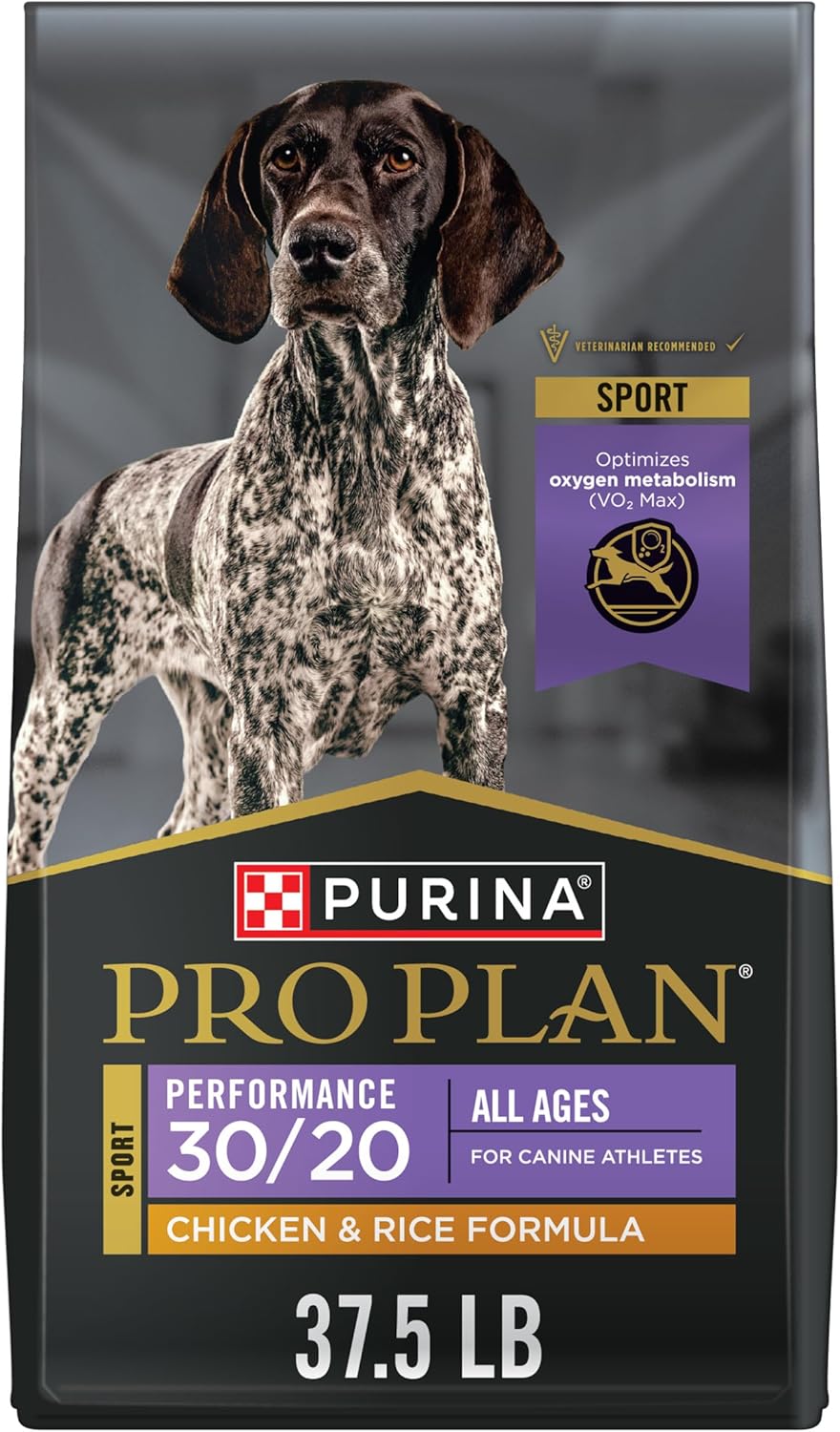
- Best Overall — Purina Pro Plan Sport Performance 30/20: Research-backed formula with optimal protein-to-fat ratio for most working dogs.
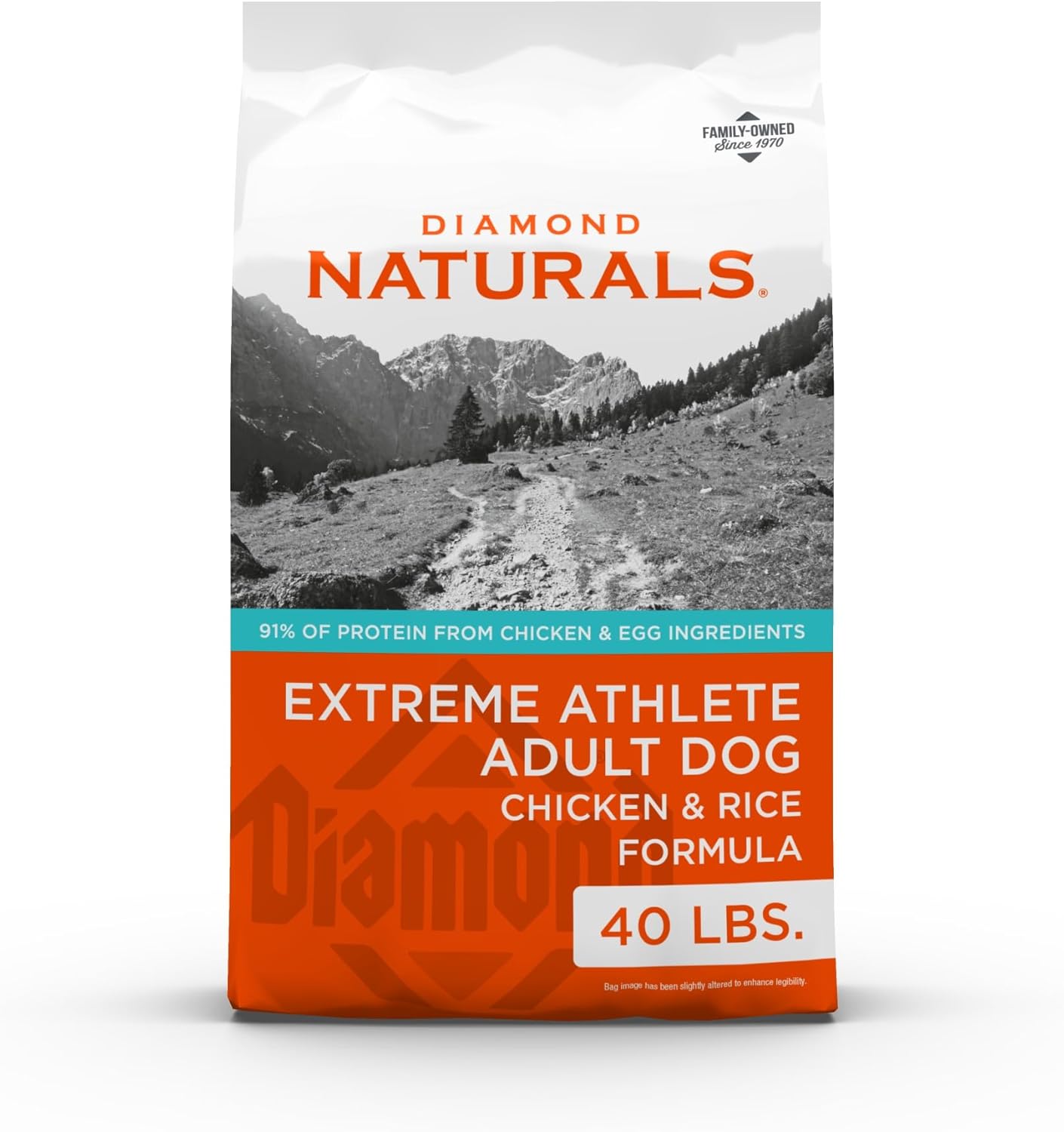
- Best Budget — Diamond Naturals Extreme Athlete: Affordable high-calorie option without compromising essential nutrients.
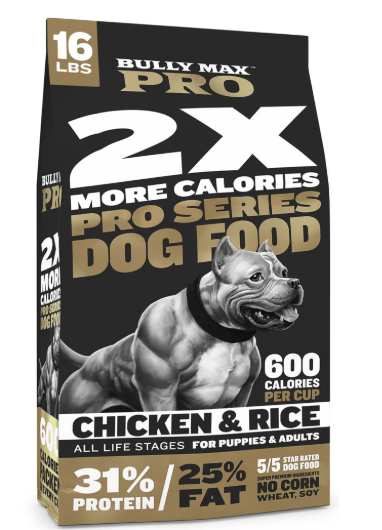
- Best Premium High-Calorie Formula — Bully Max Pro Series 31/25 High Calorie: Maximum calorie density for extreme endurance work.
- Best for Hunting Dogs — VICTOR Hi-Pro Plus 30/20: Nutrient-dense formula designed for sustained field performance.
- Best Balanced Performance Diet — Eukanuba Premium Performance 30/20: Well-rounded nutrition with joint support for competitive dogs.
- Best Grain-Free Option — Taste of the Wild High Prairie: Grain-free formula with quality protein sources for dogs with sensitivities.
How We Selected These Foods

Products were evaluated based on U.S. market availability and accessibility through major retailers. Each food underwent ingredient panel review to verify protein sources, fat content, and nutritional adequacy.
Selection criteria focused on protein levels of 28% or higher and fat content between 18-25% to meet the energy demands of working dogs. All formulas meet AAFCO complete and balanced standards for adult maintenance or all life stages.
Manufacturer reliability, production standards, and quality control history were considered. Owner feedback patterns were reviewed to identify common experiences with palatability, digestibility, and performance outcomes.
Trade-offs such as price, ingredient sourcing, and specific formulation choices were evaluated to provide options across different budget ranges and dietary preferences.
Product Reviews
Important Product Information
Primary protein source: Chicken Grain-free or grain-inclusive: Grain-inclusive Limited ingredient: No Life stage: All life stages Protein %: 30% Fat %: 20% Key functional nutrients: Omega-6 fatty acids, glucosamine AAFCO compliance: Yes
Why It Made the List
This formula represents decades of canine nutrition research from Purina’s performance team. The 30/20 protein-to-fat ratio provides balanced energy for sustained work without excessive calorie density that might lead to overfeeding in moderately active dogs.
The grain-inclusive formula uses rice and oats for digestible carbohydrates that support glycogen stores during extended activity. Chicken remains the primary protein source throughout the ingredient list.
Best For
Multi-purpose working dogs including police K9s, search and rescue dogs, and sporting dogs with consistent daily activity levels.
Ingredient Snapshot
Chicken leads the formula, followed by rice and poultry by-product meal for concentrated protein. Whole grain oats provide sustained energy release. Fish oil and vegetable oils contribute omega-3 and omega-6 fatty acids for coat health and inflammation management.
Owner Pattern Insights
Recurring review patterns suggest consistent palatability across different breeds and reliable stool quality during regular feeding. Performance dog handlers frequently report maintained body condition during training cycles.
Watch-Out / Trade-Off
Contains poultry by-product meal, which some owners prefer to avoid despite its nutritional adequacy. Not the highest calorie density option for extreme endurance work.

Important Product Information
Primary protein source: Beef meal, chicken meal, pork meal Grain-free or grain-inclusive: Grain-inclusive Limited ingredient: No Life stage: All life stages Protein %: 30% Fat %: 20% Key functional nutrients: Glucosamine, chondroitin, probiotics AAFCO compliance: Yes
Why It Made the List
VICTOR formulas are specifically designed for sporting and hunting dogs, with a fortified nutrient profile that addresses field performance demands. The multi-meat protein blend provides diverse amino acid profiles.
The inclusion of probiotics and proprietary VICTOR supplements targets digestive efficiency, which is critical when dogs are eating high volumes of calorie-dense food during hunting season.
Best For
Hunting dogs, field trial competitors, and dogs engaged in regular outdoor work requiring stamina and quick recovery.
Ingredient Snapshot
Beef meal, chicken meal, and pork meal provide concentrated animal protein sources. Whole grain milo and grain sorghum offer gluten-free grain carbohydrates. The formula includes blood meal for additional iron and amino acids.
Owner Pattern Insights
Recurring review patterns suggest particularly strong acceptance among hunting dog owners and working retrievers. Field dog trainers report good energy maintenance during long training days.
Watch-Out / Trade-Off
Regional availability can be limited compared to larger brands. Some dogs may experience initial digestive adjustment when switching from chicken-only proteins.
Important Product Information
Primary protein source: Chicken, beef, fish Grain-free or grain-inclusive: Grain-inclusive Limited ingredient: No Life stage: Adult Protein %: 31% Fat %: 25% Key functional nutrients: L-carnitine, taurine, glucosamine AAFCO compliance: Yes
Why It Made the List
This formula delivers maximum calorie density at approximately 535 kcal/cup, making it suitable for extreme endurance work. The 31/25 macronutrient split supports both muscle maintenance and sustained fat-based energy metabolism.
Added L-carnitine facilitates fat metabolism, while elevated taurine levels support cardiovascular function during intense physical demands. The fortification profile exceeds basic AAFCO minimums.
Best For
Sled dogs, extreme endurance athletes, and dogs in cold climates requiring maximum calorie intake without excessive feeding volume.
Ingredient Snapshot
Chicken meal leads as the concentrated protein source, followed by beef meal and fish meal for protein diversity. Brown rice and barley provide digestible carbohydrates. Multiple fat sources including chicken fat and fish oil boost calorie content.
Owner Pattern Insights
Recurring review patterns suggest this formula is particularly valued by mushers and owners of dogs in sustained work programs. Users report maintained weight during high-output periods.
Watch-Out / Trade-Off
Very high calorie density requires careful portion control to avoid weight gain in moderately active dogs. Premium pricing reflects the concentrated nutrition profile.
Important Product Information
Primary protein source: Chicken meal Grain-free or grain-inclusive: Grain-inclusive Limited ingredient: No Life stage: Adult Protein %: 32% Fat %: 25% Key functional nutrients: Omega fatty acids, probiotics AAFCO compliance: Yes
Why It Made the List
Diamond Naturals Extreme Athlete provides high-performance nutrition at a budget-friendly price point. The 32/25 protein-to-fat ratio matches premium formulas while maintaining accessibility for owners managing multiple working dogs.
The formula includes strain-specific probiotics and quality protein sources despite the lower cost structure. This makes it practical for kennel feeding or owners with several active dogs.
Best For
Budget-conscious owners with multiple working dogs, farm dogs, and active dogs not requiring extreme calorie density.
Ingredient Snapshot
Chicken meal serves as the concentrated protein foundation. Brown rice, cracked pearled barley, and grain sorghum provide carbohydrate energy. Cage-free chicken fat and fish oil contribute to the elevated fat content.
Owner Pattern Insights
Recurring review patterns suggest solid value proposition with consistent results across working breeds. Kennel owners and hunters with multiple dogs frequently cite cost-effectiveness during training seasons.
Watch-Out / Trade-Off
Diamond has experienced past recall history that some owners consider when making purchasing decisions. Formula is less specialized than premium working dog brands.

Important Product Information
Primary protein source: Chicken Grain-free or grain-inclusive: Grain-inclusive Limited ingredient: No Life stage: Adult Protein %: 30% Fat %: 20% Key functional nutrients: Glucosamine, chondroitin, antioxidants AAFCO compliance: Yes
Why It Made the List
Eukanuba’s performance formula emphasizes joint health alongside energy provision, making it suitable for competitive dogs in disciplines with repetitive impact stress. The glucosamine and chondroitin levels support cartilage maintenance.
The antioxidant package includes vitamin E and beta-carotene to address oxidative stress from sustained physical activity. The 3D DentaDefense kibble design promotes dental health.
Best For
Agility dogs, competitive sport dogs, and working dogs requiring joint support alongside performance nutrition.
Ingredient Snapshot
Chicken and chicken by-product meal provide the protein base. Corn meal, wheat, and grain sorghum offer digestible carbohydrates. Fish oil delivers omega-3 fatty acids for anti-inflammatory support.
Walker Pattern Insights
Recurring review patterns suggest strong palatability and user satisfaction among agility competitors and sporting dog owners. Joint health benefits are frequently mentioned in long-term use feedback.
Watch-Out / Trade-Off
Contains corn and wheat, which some owners avoid based on personal preference. Not the highest protein option for dogs requiring maximum muscle support.

Important Product Information
Primary protein source: Buffalo, beef, lamb Grain-free or grain-inclusive: Grain-free Limited ingredient: No Life stage: All life stages Protein %: 32% Fat %: 18% Key functional nutrients: Probiotics, antioxidants, omega fatty acids AAFCO compliance: Yes
Why It Made the List
As the grain-free option in this guide, Taste of the Wild High Prairie uses alternative carbohydrate sources including sweet potatoes and peas. The novel protein combination may benefit dogs with grain sensitivities.
The formula includes proprietary K9 Strain Probiotics and dried fermentation products to support digestive health. Antioxidant-rich fruits and vegetables are incorporated throughout.
Best For
Working dogs with confirmed grain sensitivities or owners preferring grain-free formulations for their active dogs.
Ingredient Snapshot
Buffalo, beef meal, and lamb meal provide diverse animal proteins. Sweet potatoes and peas serve as grain alternatives for carbohydrate energy. Canola oil and fish oil contribute omega-6 and omega-3 fatty acids.
Owner Pattern Insights
Recurring review patterns suggest good acceptance among dogs with digestive sensitivities. Users report consistent energy levels, though some note the lower fat percentage requires larger portions for high-energy dogs.
Watch-Out / Trade-Off
Lower fat content (18%) compared to other working dog formulas may require increased feeding volume for extreme activity levels. Grain-free formulas have faced scrutiny regarding potential DCM connections, though causation remains unproven.
Comparison Table
| Product | Protein % | Fat % | Grain Status | Limited Ingredient | Life Stage | Best For | Price Tier |
|---|---|---|---|---|---|---|---|
| Purina Pro Plan Sport 30/20 | 30% | 20% | Grain-inclusive | No | All life stages | Multi-purpose working dogs | Mid |
| VICTOR Hi-Pro Plus 30/20 | 30% | 20% | Grain-inclusive | No | All life stages | Hunting dogs | Mid-Premium |
| Bully Max Pro Series 31/25 | 31% | 25% | Grain-inclusive | No | Adult | Extreme endurance | Premium |
| Diamond Naturals Extreme Athlete | 32% | 25% | Grain-inclusive | No | Adult | Budget-conscious owners | Budget |
| Eukanuba Premium Performance 30/20 | 30% | 20% | Grain-inclusive | No | Adult | Sport/agility dogs | Mid-Premium |
| Taste of the Wild High Prairie | 32% | 18% | Grain-free | No | All life stages | Grain-sensitive dogs | Mid |
How to Choose the Right Food for Working Dogs
Working dog nutrition centers on elevated protein and fat levels to support the increased metabolic demands of sustained activity. Protein requirements typically range from 28-32% to maintain lean muscle mass and support recovery between work sessions.
Fat content between 18-25% provides concentrated calorie sources for endurance work. Fat delivers more than twice the calories per gram compared to protein or carbohydrates, making it essential for dogs engaged in prolonged physical activity.
The grain versus grain-free decision should be based on individual tolerance rather than marketing trends. Grain-inclusive formulas provide digestible carbohydrates that support glycogen stores, which fuel high-intensity work. Grain-free options suit dogs with confirmed sensitivities.
Calorie density matters when dogs are burning significant energy daily. Extreme athletes may require 500+ kcal/cup formulas to maintain weight without excessive feeding volume.
Joint support nutrients like glucosamine and chondroitin benefit working dogs in high-impact activities, though these supplements can also be added separately.
Common Mistakes Owners Make
Feeding standard maintenance formulas designed for sedentary pets is the most common nutritional error. Working dogs fed insufficient calories and protein will lose body condition and experience performance decline.
Switching foods too quickly during training or competition periods can cause digestive upset when dogs are already under physical stress. Food transitions should occur during rest periods over 7-10 days.
Overfeeding calorie-dense working dog formulas to moderately active pets leads to weight gain. The best dog food for working dogs should match actual energy expenditure, not aspirational activity levels.
Choosing foods based on marketing claims rather than ingredient analysis and macronutrient profiles results in mismatched nutrition. Label reading and understanding guaranteed analysis panels guide better decisions than advertising.
When to Consider Veterinary Diets
Dogs with chronic digestive diseases including inflammatory bowel disease may require prescription diets despite their working status. Veterinary formulas can address medical conditions while still providing adequate calories.
Severe food allergies confirmed through elimination trials may necessitate hydrolyzed protein diets that aren’t available in performance formulas. Work with your veterinarian to balance medical needs with activity requirements.
Prescription diets designed for specific health conditions take priority over performance nutrition when medical management is required. Your veterinarian can help determine if specialized feeding is necessary.
Some working dogs develop health issues requiring veterinary diet trials. In these cases, calorie supplementation through veterinarian-approved methods may be needed to meet energy demands while addressing medical conditions.
FAQ Section
How much protein do working dogs need?
Working dogs typically require 28-32% protein in their diet to support muscle maintenance and recovery. This exceeds the 18-25% found in standard maintenance formulas. Individual needs vary based on work intensity, with extreme athletes potentially benefiting from the higher end of this range.
Is grain-free better for active dogs?
Grain-free formulas are not inherently better for active dogs unless the dog has confirmed grain sensitivities. Grains provide digestible carbohydrates that support glycogen stores during high-intensity activity. Choose based on individual tolerance rather than marketing trends, and consult your veterinarian regarding recent DCM concerns.
How many calories should working dogs eat?
Calorie needs vary dramatically based on work intensity. Moderately active working dogs may need 1.5-2x maintenance calories, while extreme endurance athletes can require 3-4x standard amounts. Monitor body condition and adjust portions to maintain ideal weight. Most working dogs need 1,200-2,500+ calories daily.
What protein is best for working dogs?
High-quality animal proteins including chicken, beef, lamb, and fish provide complete amino acid profiles for working dogs. Meat meals (chicken meal, beef meal) offer concentrated protein sources. Multiple protein sources can provide diverse amino acids, though single proteins work well for most dogs.
How long does dog food take to show results?
Coat condition improvements typically appear within 4-6 weeks. Energy level changes may be noticed within 1-2 weeks as dogs adapt to new calorie and fat levels. Complete assessment of a new diet for working dogs should allow 8-12 weeks, accounting for full digestive adaptation.
Can I feed puppy food to working dogs?
Puppy formulas are not appropriate for adult working dogs. While protein levels may be similar, puppy foods are formulated for growth with different calcium-phosphorus ratios that can cause skeletal issues in adults. Choose all life stages or adult performance formulas instead.
Should working dogs eat once or twice daily?
Most working dogs perform better with two daily meals to maintain stable blood sugar and energy levels. This prevents gastric distress during activity and reduces risk of bloat in large, deep-chested breeds. Adjust meal timing around work schedules for optimal digestion.
Do working dogs need supplements?
Well-formulated performance dog foods provide complete nutrition for most working dogs. However, some benefit from additional joint supplements, omega-3 fatty acids, or electrolyte support during extreme work. Consult your veterinarian before adding supplements to avoid nutrient imbalances.
How do I transition to working dog food?
Transition over 7-10 days by gradually mixing increasing amounts of new food with decreasing amounts of current food. Start with 25% new food for 2-3 days, then 50%, then 75%, before switching completely. This prevents digestive upset during the dietary change.
Are expensive working dog foods worth it?
Premium formulas often provide higher calorie density and quality ingredients, potentially reducing the amount needed per feeding. For owners with multiple dogs or extremely active athletes, mid-range options like Diamond Naturals offer good value. Consider cost per feeding, not just per bag.
Final Recommendation Summary
For most working dogs, Purina Pro Plan Sport Performance 30/20 provides research-backed nutrition with an optimal protein-to-fat ratio that supports sustained performance without excessive calorie density. The formula balances quality, availability, and proven results.
Owners requiring maximum calorie density for extreme endurance work should consider Bully Max Pro Series 31/25, which delivers 535 kcal/cup to maintain weight during intensive activity periods.
Budget-conscious owners managing multiple working dogs will find Diamond Naturals Extreme Athlete offers comparable macronutrient profiles to premium options at accessible price points.
The best dog food for working dogs ultimately depends on your dog’s specific activity level, individual tolerance, and caloric requirements. Start with formulas providing 30% protein and 20%+ fat, then adjust based on body condition maintenance and performance outcomes. Monitor your dog’s weight, coat quality, and energy levels to ensure the chosen diet supports their working demands effectively.