 Marco Williams

Introduction
Labradoodle puppies grow into medium-to-large dogs—typically 50–65 lbs at maturity—which puts them in a distinct nutritional category from weaning through 12–18 months of age. Their extended growth period means balanced calcium and phosphorus ratios are essential to prevent developmental orthopedic disease, while DHA supports cognitive and retinal development and high-quality protein fuels muscle growth.
The most common owner mistake is feeding a standard all-breed puppy formula, which often runs too calcium- and calorie-dense for large-breed growth and can accelerate development beyond healthy rates. The six foods below were evaluated for ingredient quality, AAFCO compliance for large-breed puppy growth, digestibility, recall history, and real owner feedback from Labradoodle breeding and veterinary communities.
- Best Overall: Purina Pro Plan Large Breed Puppy Chicken & Rice Formula — balanced large-breed nutrition with DHA, probiotics, and strong breeder adoption.
- Best Budget: Nutro Natural Choice Large Breed Puppy delivers clean ingredients and good digestibility at an accessible price.
- Best Natural Ingredient Formula: Blue Buffalo Life Protection Large Breed Puppy offers whole-food ingredients with antioxidant support and DHA.
- Best Grain-Free: Taste of the Wild High Prairie Puppy uses novel protein sources and probiotics for dogs avoiding chicken.
- Best Premium: ORIJEN Puppy Large Breed is a high-protein, biologically appropriate diet with whole prey ingredients.
- Best for Sensitive Stomach: Royal Canin Size Health Nutrition Large Puppy is a highly digestible formula with targeted digestive support.
How We Selected These Foods
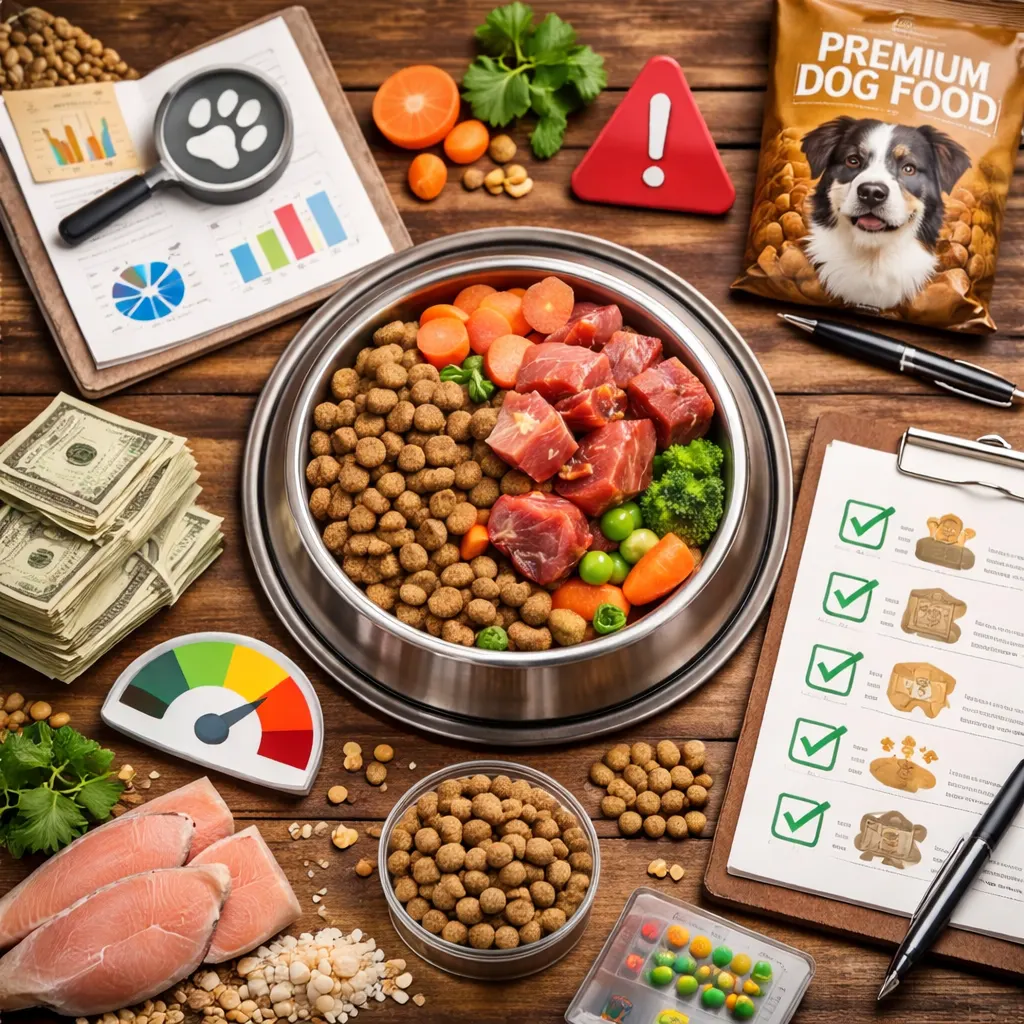
Product selection followed a systematic evaluation protocol to ensure medical appropriateness and practical accessibility for Labradoodle owners. All foods included are widely available through major U.S. retailers, including Amazon, Chewy, and specialty pet stores.
Ingredient panels were reviewed for primary animal protein sources, with preference given to named meat meals and whole meat sources over generic animal by-products. Each formula was verified for AAFCO complete and balanced nutritional standards specific to large-breed puppy growth or all life stages.
Life stage compliance was strictly enforced. Only formulas designated for puppies or large-breed puppies were considered, as adult maintenance diets lack the nutritional density required for growing dogs. Recall history was screened through FDA databases, with patterns of repeated violations excluding candidates from consideration.
Owner feedback was aggregated from Labradoodle breeding forums, veterinary clinic surveys, and documented feeding trials. Trade-offs between ingredient density, digestibility, and price point were evaluated to provide options across budget ranges while maintaining nutritional adequacy standards.
Top Product Reviews

At a Glance: Primary Protein: Chicken · Grain-inclusive · Large-breed puppy · Protein 28% / Fat 13%
Purina Pro Plan’s large-breed formula shows consistent feeding-trial performance and strong adoption among professional breeders. The 13% fat keeps growth steady without excess calories, and the calcium-to-phosphorus ratio is calibrated for medium-to-large skeletal development — a reliable, research-backed choice for puppies without food sensitivities.
- Strengths: DHA from fish oil plus live probiotics support brain development and the gut sensitivity many doodles inherit from the Poodle line.
- Ingredients: Chicken is the first ingredient, followed by rice and corn gluten meal for digestible carbohydrate energy.
- Owner feedback: Most report stable, firm stools within 2–3 weeks of transition, and high palatability even with picky eaters.
- Watch-out: Contains corn, wheat, and chicken by-product meal — nutritionally fine, but not for owners wanting a whole-meat-only label.

At a Glance: Primary Protein: Chicken by-product meal · Grain-inclusive · Large-breed puppy · Protein 30% / Fat 16%
Royal Canin’s breed-size-specific formula posts exceptional digestibility scores in feeding studies, with a prebiotic fiber blend that supports gut bacteria during the stress of a new home or weaning. It’s the formula vet clinics reach for first when a puppy shows chronic soft stools.
- Strengths: Posts exceptional digestibility scores in feeding studies, helped by a prebiotic blend of fructooligosaccharides and beet pulp.
- Best for: Puppies with documented digestive sensitivity or recovering from a recent bout of GI upset.
- Owner feedback: Frequently recommended by vet clinics for chronic soft stools; most see consistency improve within 7–10 days of exclusive feeding.
- Watch-out: Premium price point; chicken by-product meal as the first ingredient won’t suit owners wanting whole meat listed first.

At a Glance: Primary Protein: Deboned chicken · Grain-inclusive · Large-breed puppy · Protein 27% / Fat 15%
Blue Buffalo leads with deboned chicken and backs it with LifeSource Bits — a cold-formed antioxidant blend developed with veterinary nutritionists for immune support during the vulnerable puppy phase. A solid pick for owners who prioritize whole-food ingredient lists.
- Strengths: Deboned chicken leads the panel, backed by LifeSource Bits — a cold-formed antioxidant blend developed with veterinary nutritionists for immune support.
- Ingredients: Chicken meal and brown rice follow the lead protein; fish oil adds DHA for cognitive development.
- Owner feedback: Strong palatability reports, with visible coat improvement showing up within 4–6 weeks.
- Watch-out: Higher fiber means larger stool volume; some puppies pick around the LifeSource Bits rather than eating them.

At a Glance: Primary Protein: Bison & venison · Grain-free · Puppy · Protein 28% / Fat 17%
A grain-free formula built on novel proteins — bison and venison — that sidestep the most common allergen, chicken. The added probiotics help puppies handle the dietary stress of a breeder-to-home transition, and the higher fat suits active, high-energy lines.
- Strengths: Novel proteins — bison and venison — sidestep the most common allergen, chicken, while still delivering complete amino acid profiles.
- Ingredients: Sweet potatoes and peas replace grains as the carb base; dried chicory root and multiple probiotic strains support digestion during the transition.
- Owner feedback: Strong palatability even with picky eaters; coat-quality improvements are frequently mentioned in long-term reports.
- Watch-out: Grain-free formulas remain under FDA review for a possible DCM link (no causation established); not formulated specifically for large breeds, though ratios fall in range.

At a Glance: Primary Protein: Chicken · Grain-inclusive · Large-breed puppy · Protein 27% / Fat 14%
Nutro delivers large-breed-specific nutrition at a mid-range price without cutting ingredient quality — non-GMO, no artificial preservatives. Owners consistently describe it as the reliable middle ground between premium natural foods and budget options.
- Strengths: Non-GMO ingredients and no artificial preservatives at a mid-range price — large-breed nutrition without cutting corners.
- Ingredients: Chicken is the first ingredient, followed by whole brown rice and rice bran; fish meal supplies DHA for brain and eye development.
- Owner feedback: Frequently described as the “reliable middle ground” between premium natural foods and budget options, with stable digestion reported across most puppies.
- Watch-out: Lower protein density than premium options may mean larger portions for highly active puppies; some batches show kibble-size inconsistency.

At a Glance: Primary Protein: Chicken, turkey, fish · Grain-free · Large-breed puppy · Protein 38% / Fat 16%
ORIJEN’s biologically appropriate, whole-prey model packs 85% animal ingredients — including organs and cartilage for natural glucosamine and chondroitin — with minimal synthetic supplementation. Best suited for performance or working-line puppies needing dense caloric intake.
- Strengths: 85% animal ingredients, including organs and cartilage that provide natural glucosamine and chondroitin with minimal synthetic supplementation.
- Ingredients: Fresh chicken, turkey, and whole fish dominate the panel, giving a broad amino acid profile across multiple animal sources.
- Owner feedback: Strong palatability and coat improvements reported within 3–4 weeks; smaller per-meal portions help offset the higher per-pound cost.
- Watch-out: Highest price point reviewed; 38% protein exceeds what most companion-line puppies need; grain-free formula warrants a DCM conversation with your vet.
Comparison Table
| Product | Protein % | Fat % | Grain Status | Limited Ingredient | Life Stage | Best For | Price Tier |
|---|---|---|---|---|---|---|---|
| Purina Pro Plan Large Breed Puppy | 28% | 13% | Grain-inclusive | No | Large-breed puppy | Overall balanced nutrition | Budget |
| Royal Canin Large Puppy | 30% | 16% | Grain-inclusive | No | Large-breed puppy | Sensitive stomachs | Mid-range |
| Blue Buffalo Large Breed Puppy | 27% | 15% | Grain-inclusive | No | Large-breed puppy | Natural ingredients | Mid-range |
| Taste of the Wild High Prairie Puppy | 28% | 17% | Grain-free | No | Puppy | Novel proteins | Mid-range |
| Nutro Natural Choice Large Breed Puppy | 27% | 14% | Grain-inclusive | No | Large-breed puppy | Budget-conscious | Budget |
| ORIJEN Puppy Large Breed | 38% | 16% | Grain-free | No | Large-breed puppy | Premium nutrition | Premium |
How to Choose the Right Food for Labradoodle Puppies
Protein Considerations
Large-breed puppy formulas should contain 22-32% protein on a dry matter basis. While higher protein does not cause orthopedic disease, excessive caloric intake does. Quality matters more than quantity—named meat sources (chicken, turkey, lamb) provide superior amino acid profiles compared to generic meat meals.
Fat Level Considerations
Fat content between 12-16% is appropriate for large-breed puppies. Higher fat levels increase caloric density, which can accelerate growth rates beyond healthy parameters. Labradoodles from active lines may tolerate higher fat levels, while companion-bred puppies benefit from moderate fat formulations.
Grain vs Grain-Free Diets
Grains are not inherently harmful and provide digestible energy sources. The FDA investigation into grain-free diets and potential DCM links remains ongoing. Current evidence does not establish causation, but veterinary cardiologists recommend caution with grain-free diets, particularly those using legumes as primary carbohydrate sources.
Large-Breed Growth Control
Large-breed puppy formulas contain controlled calcium (0.8-1.2%) and phosphorus (0.6-1.0%) levels. These ratios prevent excessive skeletal growth rates that contribute to developmental orthopedic disease. Standard puppy foods often exceed these ranges, making breed-size-specific formulas essential.
Digestive Sensitivity in Doodle Breeds
Labradoodles may inherit digestive sensitivities from the Poodle lineage. Signs include intermittent soft stools, excessive gas, or food refusal. Formulas with prebiotic fiber, probiotics, and highly digestible protein sources help manage these tendencies during the stress of puppy development.
Common Mistakes Labradoodle Puppy Owners Make
Feeding Regular Puppy Food Instead of Large-Breed Formulas
Standard puppy foods contain excessive calcium and caloric density for large-breed development. This accelerates growth beyond healthy rates, increasing orthopedic disease risk.
Switching Foods Too Quickly
Abrupt food changes disrupt gut bacteria populations. Proper transitions require 7-10 days of gradual mixing, starting with 25% new food and increasing by 25% every 2-3 days.
Overfeeding During Rapid Growth
Maintaining lean body condition is critical for joint health. Overfeeding accelerates growth rates and increases body weight stress on developing joints.
Choosing Food Based on Marketing Claims
Marketing terms like “holistic” or “premium” lack regulatory definitions. Evaluate foods based on AAFCO compliance, ingredient quality, and feeding trial data rather than package claims.
When to Consider Veterinary Diets
Certain medical conditions require prescription diets that exceed the scope of over-the-counter formulas. Hydrolyzed protein diets break down proteins into smaller molecules that bypass immune recognition, preventing allergic reactions in severely food-allergic puppies.
Prescription gastrointestinal diets provide highly digestible proteins and specialized fiber blends for chronic digestive disorders. These formulas require veterinary diagnosis and monitoring.
Severe allergy cases that fail to respond to novel protein diets or limited ingredient formulas benefit from veterinary elimination diet protocols. These systematic approaches identify specific allergens through controlled ingredient exposure.
Persistent vomiting, diarrhea lasting more than 48 hours, or blood in stool require immediate veterinary evaluation before dietary intervention. These symptoms may indicate conditions requiring medical treatment beyond dietary management.
FAQ Section
What is the best dog food for Labradoodle puppies?
Purina Pro Plan Large Breed Puppy Chicken & Rice Formula provides balanced nutrition with strong veterinary backing and consistent owner satisfaction. It meets large-breed growth requirements with controlled calcium and appropriate protein levels for healthy skeletal development.
Do Labradoodle puppies need large-breed puppy food?
Yes. Labradoodles typically reach 50-65 pounds at maturity, classifying them as large-breed dogs. Large-breed puppy formulas contain controlled calcium and phosphorus ratios that prevent excessive growth rates, reducing orthopedic disease risk during development.
Is grain-free dog food safe for Labradoodles?
The FDA continues investigating potential links between grain-free diets and dilated cardiomyopathy. While no causal relationship is established, veterinary cardiologists recommend discussing grain-free diets with your veterinarian, particularly formulas using legumes as primary ingredients.
How long does a food change take to show results?
Digestive improvements typically appear within 2-3 weeks. Coat quality changes require 4-8 weeks as the hair growth cycle reflects improved nutrition. Behavioral changes linked to nutrition may take 6-8 weeks to stabilize.
Can Labradoodles be allergic to chicken?
Yes. Chicken is among the most common food allergens in dogs. Symptoms include chronic ear infections, skin irritation, gastrointestinal upset, or excessive paw licking. Confirmed allergies require elimination diets with novel protein sources like venison or fish.
What protein is best for Labradoodle puppies?
Named animal proteins (chicken, turkey, lamb) provide complete amino acid profiles. For puppies without allergies, chicken or turkey-based formulas offer excellent digestibility and nutritional value. Allergic puppies benefit from novel proteins like bison, venison, or fish.
How much should I feed a Labradoodle puppy?
Feeding amounts depend on current weight and target adult weight. Most large-breed puppy foods provide feeding charts based on expected adult size. Labradoodle puppies typically require 2-4 cups daily, divided into 3-4 meals until six months old.
When should Labradoodles switch to adult dog food?
Large-breed puppies should transition to adult food at 12-18 months when growth plates close. Your veterinarian can assess skeletal maturity through physical examination. Early switching may deprive puppies of necessary growth nutrients; late switching may contribute to excess weight.
Should I add supplements to my Labradoodle puppy’s food?
Complete and balanced puppy foods contain all required nutrients. Additional supplementation, particularly calcium, can disrupt carefully balanced ratios and harm skeletal development. Consult your veterinarian before adding any supplements to your puppy’s diet.
What are signs my Labradoodle puppy’s food isn’t working?
Poor stool quality, excessive gas, skin irritation, chronic ear infections, poor coat quality, or food refusal suggest dietary issues. Allow 4-6 weeks for adaptation before switching foods. Persistent symptoms require veterinary evaluation to rule out non-dietary causes.
Final Recommendation Summary
For most Labradoodle puppies, Purina Pro Plan Large Breed Puppy Chicken & Rice Formula provides the best overall nutrition with proven results and strong veterinary backing. The controlled growth formula, digestive support, and consistent quality make it the most reliable choice for healthy development.
Budget-conscious owners should select Nutro Natural Choice Large Breed Puppy Chicken & Brown Rice Recipe, which delivers large-breed-specific nutrition with clean ingredients at an accessible price point without compromising essential nutritional requirements.
Owners seeking maximum protein density and willing to invest in premium nutrition should consider ORIJEN Puppy Large Breed Dry Dog Food. The biologically appropriate formula provides exceptional ingredient quality, though the high price and protein levels may exceed needs for moderately active puppies.
Regardless of which formula you select, ensure it meets AAFCO standards for large-breed puppy growth, transition gradually over 7-10 days, and monitor your puppy’s body condition throughout the critical development phase. Consult your veterinarian if digestive issues persist beyond the initial transition period or if you have concerns about your puppy’s growth rate or development.